
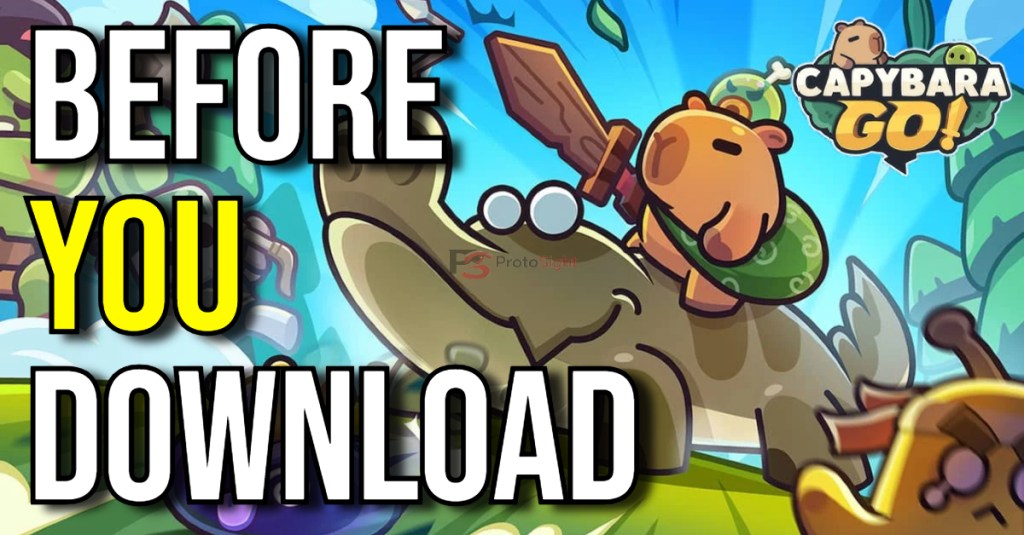
What Capybara Go! Actually Is
Capybara Go!’s game design is not reinventing the wheel. It’s built on the same design DNA as Archero — short runs, randomized upgrades, permanent progression, difficulty spikes that push you into grinding.
If you’ve played Archero, you’ll recognize the formula immediately. The difference is tone.
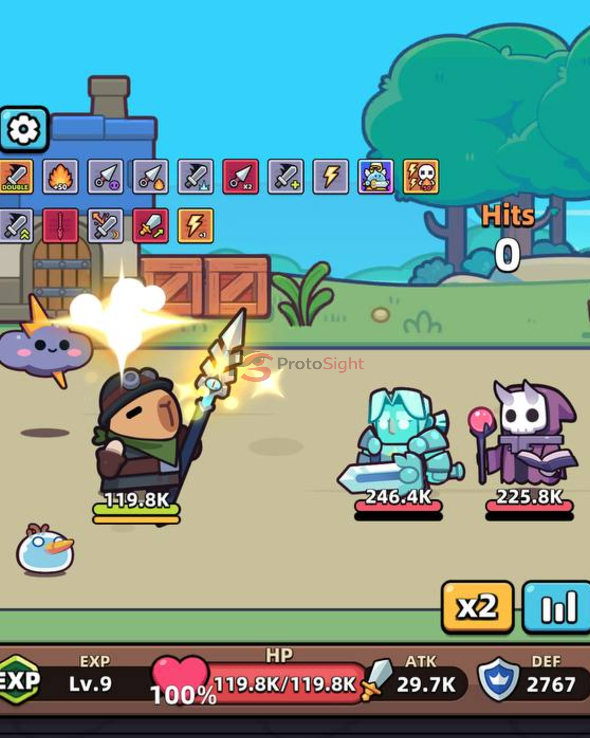
From the same creator, instead of a tense dodge-heavy action game, Capybara Go! leans softer and more idle. The combat plays out with less mechanical pressure. You’re making build decisions rather than micro-managing movement. Each choice you make has the potential to make or break your run. (Try fighting an elite monster on Day 5, and you’ll know what I mean).
This game is subtly a dopamine generator. The sound and action of your Capybara taking multiple turns in a turn-based combat, chaining attacks at your opponents.
It also keeps the roguelike charm. It just wraps it in something cuter and lower stress.
The Gameplay Loop (And Why It Works)
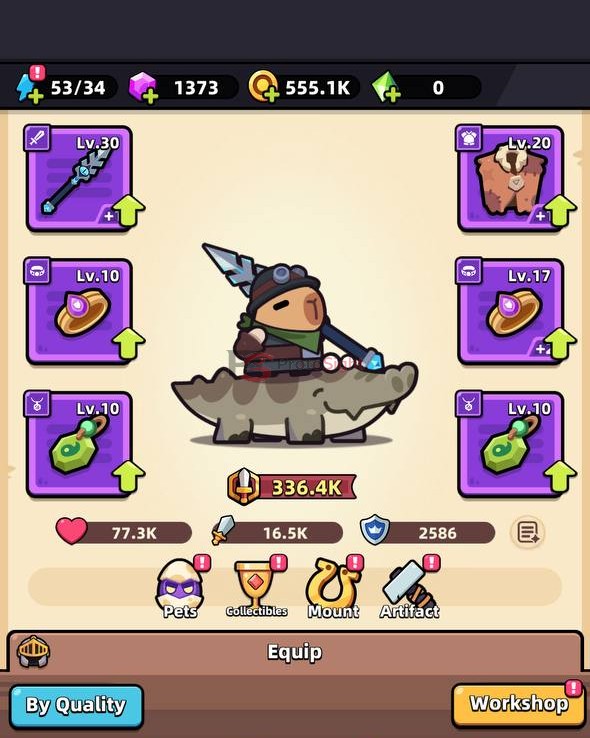
The loop is simple:
You enter a stage. Tap on buttons to progress through the days/events. Fight a wave of monster(s) and pick upgrades. Stack your synergies. Get blessed/cursed by RNG. Beat a boss or lose. Upgrade your gear/Capybara. Repeat.
The roguelike system is the real hook.
Some runs feel average. Some runs feel broken in the best way. When random skill combinations align and suddenly your capybara is melting enemies, it feels earned, and you get the dopamine hit.
Stages get progressively more difficult. You will hit walls.
But even when you fail, you’re still collecting resources for permanent upgrades. So it rarely feels like wasted time. But hey, there is an idle loot system, where you can still gain resources while not actively playing the game. That’s some Quality of Life.
Overall, it’s an incremental progression game. Slow power creep. Daily growth.
And that loop is hard to quit once it settles into your routine.
How Free-to-Play Is It, Really?
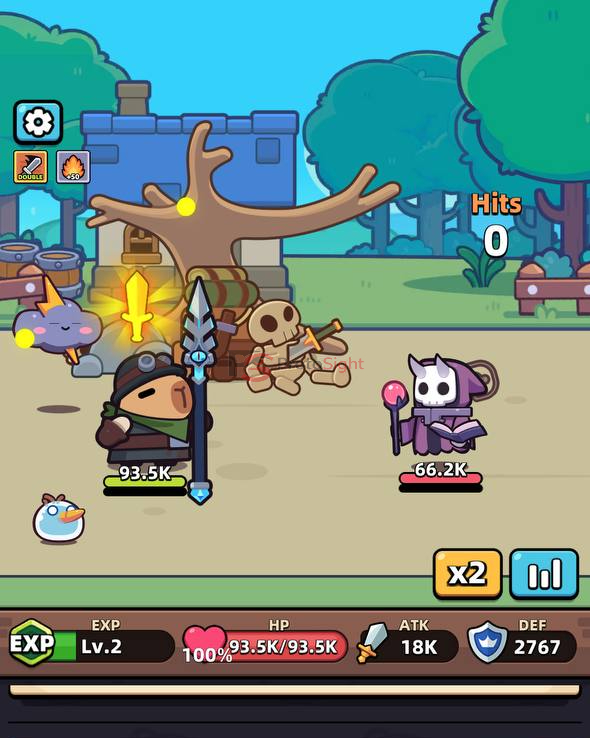
Capybara Go! runs a steady stream of events. Limited-time missions. Bonus reward tracks. Power-up opportunities. If you log in consistently and complete objectives, you can accumulate a decent amount of free resources.
The game rewards you for playing. If you’re willing to grind events and daily tasks, progression feels steady. But time consuming.
Ignore events, and your growth slows. Stay active, and you feel competitive.
Then there’s the faster option.
Battle passes and paid bundles clearly speed up everything. They smooth out difficulty spikes. They boost resource flow. You can move significantly faster with money.
It never feels mandatory in the early game. You fly through the levels without much thought required for your builds. It’s the exploratory phase where the game draws you in. But within a week of playing, where you hit a soft wall, you may encounter this decision:
Spend time, or spend cash?
That’s the same progression philosophy that made Archero successful.
Where It Slows Down
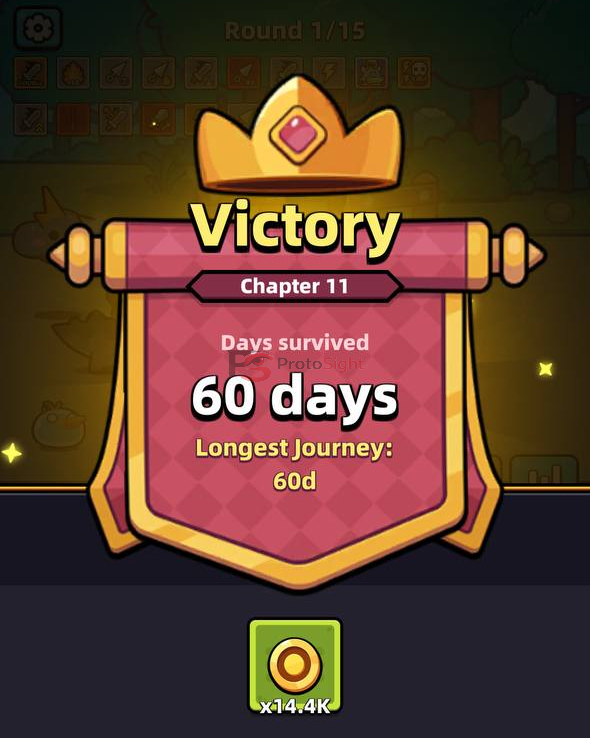
The mid-game is where the formula shows itself.
Difficulty ramps up. RNG matters more. Retries become common. Plays are gated by an energy system.
If you don’t enjoy repeating stages while waiting for permanent upgrades to catch up, this could feel repetitive.
The roguelike randomness helps. But it doesn’t completely remove the grind, or waiting to passively collect resources to improve your Capybara.
Somedays, you just log in to use up all your energy before it caps out, so that you can maximise efficiency.
Creator spotlight – go deeper
If you’re planning to push into later stages or optimize your start, it helps to watch players who test builds extensively.
iPICKmyBUTT – Build Efficiency & Progression
Veiled Shot – Skill Synergies & Event Strategy
ProtoSight focuses on whether a game is worth your time. These creators focus on how to maximize it.
Is Capybara Go! Worth Your Time?
If you’ve enjoyed Archero-style roguelike progression before, yes.
If you’re hoping for something new or mechanically deep, probably not.
Capybara Go! works because the formula works. Randomized skill pulls give you crazy dopamine hits. You can go from “oh I’m so cooked” to “we are so back!” within a minutes. And vice versa.
The permanent upgrades make losing feel tolerable. And the capybara theme lowers the emotional stakes.
But it is still a “grind-based” mobile RPG, with idle elements to alleviate the boring grind.
The game runs frequent events and reward tracks, which means active players can collect a steady stream of free power-ups and resources. If you log in daily and complete event objectives, you’ll progress at a reasonable pace. If you don’t, progress slows.
And yes, money speeds everything up. Battle passes and bundles noticeably smooth out difficulty spikes. You can play fully free-to-play, but understand that you’re trading speed for time.
There’s no deep PvP skill ceiling here. Competitive elements are mostly power-based. Stronger builds win. That’s it.
So the real question becomes:
Do you enjoy incremental growth and praying to RNGesus for stronger, synergistic builds?
If yes, this game will probably sit comfortably in your daily rotation.
If not, you’ll likely uninstall once the mid-game wall hits.
ProtoSight VERDICT
Fun Factor: 8/10
Time Investment Required: Medium
Monetization Pressure: Medium
Innovation Level: Low
Daily Stickiness: High
Final Call: Worth trying. You get some dopamine hits when RNG goes your way. But the gameplay loop eventually gets to you.
 ProtoSight
Leave a comment