
You know the game. And it’s back.
Nostalgia
The same old feeling of being chased by the security guard and his guard dog, as you sprint your way down the tri-lane subway tracks. Weaving your way between obstacles, avoiding the trains.
The art style feels familiar. The gameplay feels familiar. Your muscle memory comes back. Yes, this is the game you used to love. But why does it feel… different?
gameplay loop
Subway Surfers City run almost the same way as its former title. You learn new mechanics in the first few runs of the game, serving as a tutorial. Then you get better at these mechanics.
And then the game gets harder. You run at a faster pace, and the obstacles become less predictable, and narrow spaces appear between each obstacle, shrinking the window for you to weaving through the gaps.
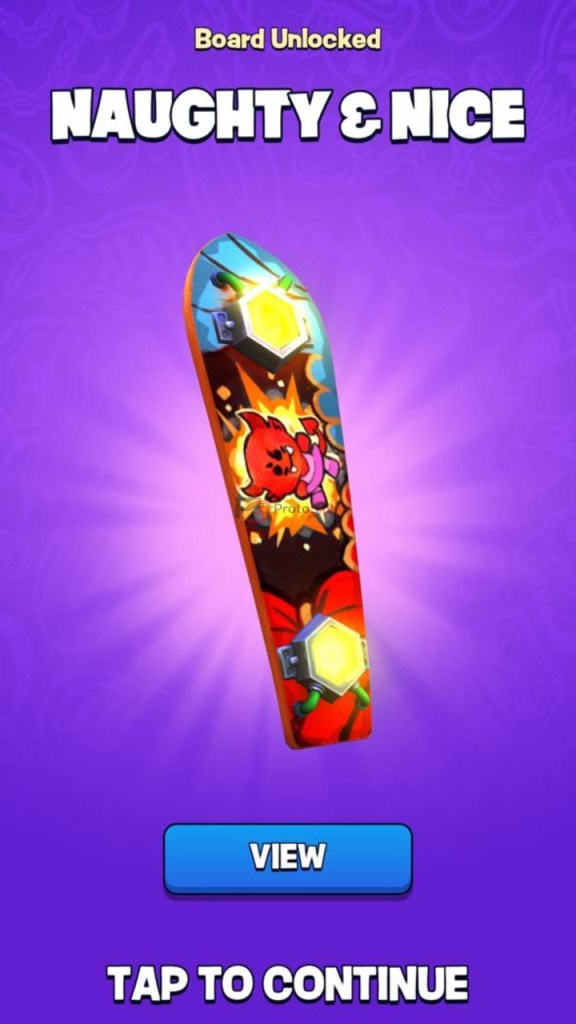
You collect enough points, clear dailies, collect gold and tokens to level up your Surfers (yes, plural) and boards (yes, those too).
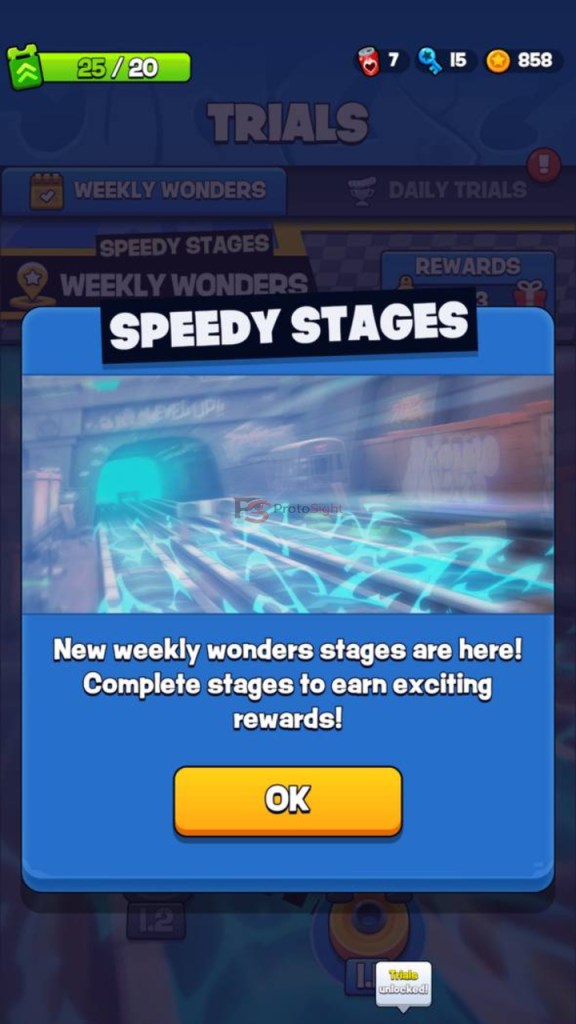
There are different challenges in the game for you too – fixed stages where you complete mini-tasks to complete the stage with 3 trophies, which rewards you with even bigger prizes.
The requirements get incrementally higher, so levelling up your characters and gear is important.
mechanics
Subway Surfers City livens up the gameplay by adding more mechanics.
- Stomp Move: Not really a new mechanic. It allows you to land faster, but now with a purpose to break boards on the ground to reveal rewards underneath.
- Bouncy Shield: A powerup that allows you to bounce on the floor to reach higher elevation. Think: jumping on the top of the train from the ground level!
- Verticality & Environmental Interactions: The game emphasizes vertical movement with air vents that launch you up, revealing a different set of path ways that give you a small reward towards the end of this short path.
- Board Energy System: Tap on the screen to activate the board, and gain different powerups tied to the different, unique boards.
- Secret Stars: The game replaces standard score boosters with, , which are hidden throughout the level. Quite rare compared to other powerups.
Game modes
Now you have:
- City Tour Mode: Instead of just one endless run, the game features a “City Tour” mode, which is a level-based experience where you unlock specific districts (e.g., The Docks, Southline), with new sceneries as you run and progress.
- District-Based Exploration: The game is organized into different districts that you unlock and explore, completing short runs and accomplishing tasks in order to get your reward.
- Trials Mode: A mode that offers challenges and trials, providing an interesting challenge.
After a Week
After about a week with Subway Surfers City, the structure of the game becomes much clearer.
The early excitement of learning the mechanics settles into a routine. Most runs now start with a purpose rather than just chasing distance. You jump in to complete a district task, collect tokens, or push progress on a specific challenge.
Upgrades begin to matter more at this stage. Levelling your surfers and boards becomes the main way to keep up with the increasing mission requirements. As districts progress, the obstacle density tightens and the margin for mistakes shrinks.
The vertical paths and environmental shortcuts also start to matter more. Taking the higher routes, hitting vents at the right moment, or landing cleanly onto trains often means the difference between finishing an objective or missing it entirely.
After a week, Subway Surfers City starts to feel less like an endless runner and more like a short-session progression game built around quick, repeatable runs.
 ProtoSight
Leave a comment